
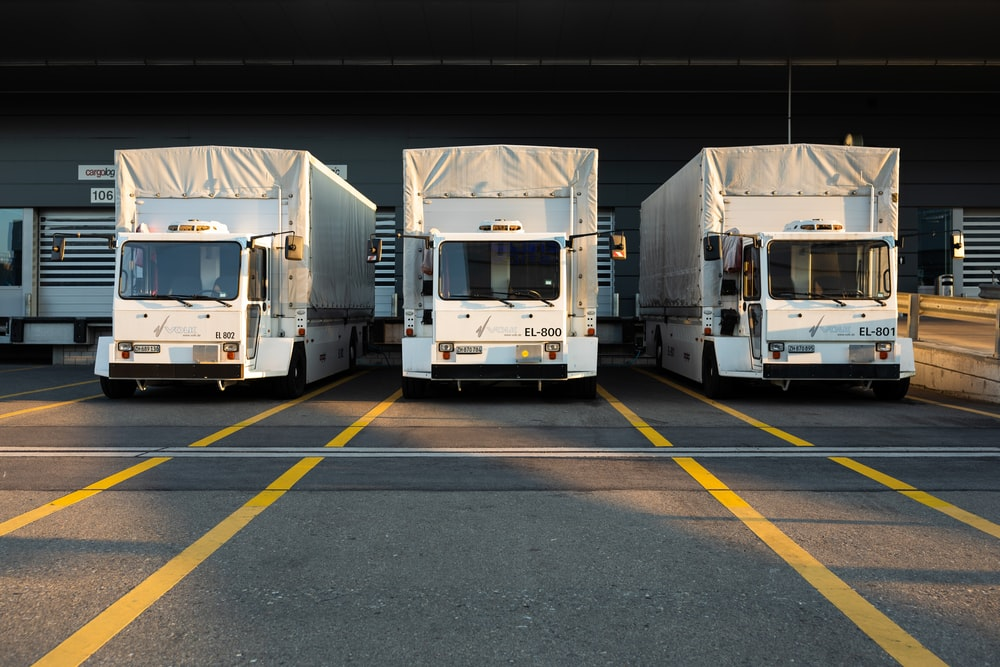
Let’s face it; fleet management can be one of the most overwhelming and challenging tasks. After all, it involves managing an entire fleet along with its operations. According to statistics, the fleet management market is growing exponentially and is expected to reach $34,629 million in the next year! When it comes to fleet management, managers across the globe are now resorting to smart software to streamline operations and improve efficiency. Here are some ways you can maximize the productivity of your fleet:
1. Schedule Regular Fleet Checkups
Fleet management can soon become complicated and overwhelming if your vehicles are not in the best condition. Regular checkups are essential to ensure that your fleet functions well for years to come. Make a point to take your vans, cars, and trucks for routine checkups and keep an updated maintenance folder to boost the performance of your fleet.
Vehicles that are not well maintained can often result in wear and tear of specific parts along with engine malfunction. With regular checks, you can reduce the chances of any malfunctions and ensure that your vehicle is in top condition. It also helps in identifying issues while they’re manageable and prevents them from escalating into costly repairs or replacements.
You can choose a specific date each month to take your vehicle for a checkup and maintenance. Remember, a well-maintained fleet is essential for driver safety and can boost company productivity like no other.

2. Create a Fuel Program
If you have a large fleet, fueling will be one of your main concerns. This is why we recommend fleet managers create a customized fuel spending budget and strategy to improve the productivity of their fleet.
One of the first things you can do to reduce discrepancy is to avoid the purchase of fuel by cash. Instead, work on giving all drivers a company-maintained card to fuel their assigned vehicle. This will help in keeping track of how often a driver stops to refuel.
The next thing to do is draw up a monthly fuel consumption plan for your fleet. Once you get an idea of how much fuel goes into each vehicle, you can budget accordingly and plan for the whole year ahead. Using an advanced fleet tracking system also helps you keep track of driver behavior and highlights idling. You’ll be able to find quicker and low-traffic routes to minimize fuel consumption in every aspect.

3. Integrate GPS and Telematics
A GPS doesn’t only show you dots on the map but also helps track your driver’s behavior. This information can be collected and analyzed to find new ways to boost the fleet’s productivity. Using telematics and GPS can ensure shorter routes, maximum service hours, and reduced idling. An advanced Fleet Management Software can integrate with telematics devices to help you visualize new data along with current data about your fleet, giving you a clearer idea about the operation.

4. Make Use of Fleet Data
When it comes to planning your Fleet Maintenance Software, getting accurate insights into how drivers use vehicles is essential. One easy way to get this data is by using an advanced telematics program that offers customized reporting. Use a fleet tracking solution that offers real-time updates about the whereabouts of your vehicle while also providing information like braking, idling, and speeding.
You can use this data to create new goals and a productivity strategy for your company. Make sure that all drivers are well informed about these goals, so they work towards success. You can even set new rules and policies to ensure that drivers abide by company standards and that every vehicle is used in the best way possible.

5. Calculate the Total Cost of Ownership
If you want to improve your company’s productivity, you’ll have to focus on measuring the financial impact on your fleet’s operation. Although tracking expenses might be able to track expenses on spreadsheets, this increases the risk of human error resulting in inaccurate information.
This is why it’s important to invest in a centralized platform to track and integrate data in a Fleet Management system. You can easily keep track of the total cost of ownership with simple calculations. Once you understand the total cost required to keep your fleet functioning, you’ll be able to make informed decisions on improving efficiency and decreasing any extra spending.

6. Use a Fleet Management Platform
Improving productivity can seem like a challenging task when you look at each aspect of your fleet individually. This is why it’s important to use advanced fleet management software to address any obstacles in the process. A fleet management system works like a centralized platform helping you boost productivity like no other.
It helps in tracking various aspects of your fleet such as GPS, maintenance, inspections, service notifications, and more. This ensures that’s everything’s easily accessible and can be found in one place. You won’t have to worry about making spreadsheets or written reports; this solid software will ensure every member is in the look and informed at all times.
Cloud-Based Fleet Management Solutions
Now that you’ve learned how a fleet management system can boost your company’s productivity, it’s time to try it out for yourself. When choosing software, it’s important to consider factors like integration, reliability, and company professionalism.
BulkdataPro offers top-notch custom fleet management software that caters to various managements such as fleet, office equipment, buildings, and more. Their ERP fleet management software is a top pick by business owners as it’s proven to reduce cost, support, and risk issues. What are you waiting for? Get in touch with them today to learn more about their fleet management tools online.