
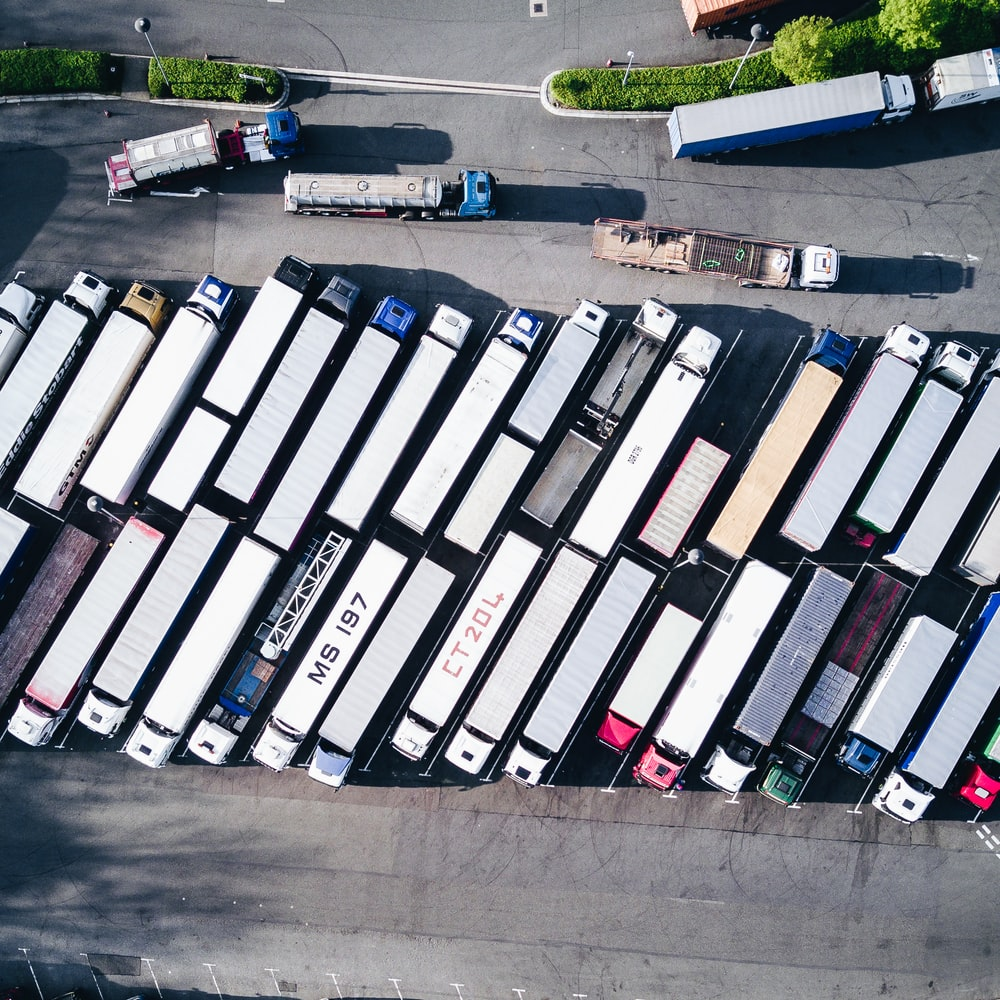
Did you know that over 12 million vehicles are registered in South Africa? That’s three times as much as the population of Cape Town! From Bakkies to motorbikes, vehicles of every kind are used by residents and businesses alike.
Like most countries, South Africa’s economy depends on motor transport—and the COVID-19 pandemic has made this more necessary. Lockdowns have caused a spike in online shopping, causing companies like Uber to deliver everything, from groceries to medicine. This has made it vital for businesses to manage their vehicle fleets. But what exactly does fleet management entail, and how do businesses go about it?
Read all about fleet management in this ultimate guide!
What Is Fleet Management?
Fleet management refers to the process of organizing a company’s vehicles to meet customer demands. Numerous tasks must be completed for fleet management to be effective, such as creating maintenance schedules and training drivers.
Fleet management is often conducted using software known as “fleet management systems”. These link company vehicles to one another and streamline the company’s transportation activities. Companies typically hire fleet managers to oversee fleet management systems.
What’s The Role of a Fleet Manager?
Fleet managers must fulfill numerous responsibilities relating to company vehicles such as vehicular maintenance. This includes checking everything from engine oil levels to tire pressure and alignment. They must also schedule vehicle checks in a way that doesn’t disrupt business activities. Therefore, if a vehicle requires servicing, then the fleet manager must ensure other vehicles are available as coverage.
Fleet managers also help recruit and train drivers. This includes explaining safe-driving policies to help businesses meet the government’s “Arrive Alive” initiative. Fleet managers must teach effective driving techniques to recruits to reduce the likelihood of accidents. They should also be able to train drivers that possess leadership qualities to become future fleet managers. This enables businesses to have continuity in fleet management.
How Does a Fleet Management System Work?
Fleet management systems use software to connect the vehicles of a business. They consist of two main systems – telematics and GPS.
Telematics
Telematics units provide business owners with vehicle data such as the speed it’s traveling at and how much fuel it’s consuming. They also consist of built-in call functions that enable drivers and business managers to communicate with one another to streamline operations. For example, businesses can instantly assign transportation tasks to drivers and plan routes using a fleet management system.
Drivers can also be sent text alerts to discourage unwanted behavior, such as using company vehicles for personal reasons.
GPS
GPS stands for “global positioning system” and enables us to locate things. GPS trackers installed in vehicles can show business owners and managers each vehicle’s location. They can also be used to disable vehicles that go outside a certain range decided by the business. This is especially useful for businesses involved in inter-city operations, such as courier companies.
How Do Fleet Management Systems Benefit Businesses?
Did you know that obtaining new customers can be up to 25 times more expensive for a business than retaining the existing ones? A business that manages its fleet effectively will keep existing customers satisfied because orders will be delivered on time. This will make it more likely for customers to keep returning to the business in the long term.
Effective fleet management also saves business costs in numerous ways. For example, a well-managed fleet ensures that drivers take ideal routes to reduce fuel consumption. This also keeps drivers more productive. At the same time, fleet management lowers repair costs by preventing accidents and vehicle breakdowns.
The South African government recently established carbon dioxide emission standards for passenger vehicles. If a business fails to meet these standards, then it must pay a fine. Fortunately, fleet management systems are capable of providing information on the carbon dioxide emissions of each vehicle in a company’s fleet. Therefore, companies that use Fleet Management system can ensure that their vehicles have reduced carbon dioxide emissions.
What Type of Businesses Use Fleet Management Systems?
Whether your business is small or large, the first step to effective fleet management is to determine the size and type of fleet you need. Vehicles are among the most expensive assets of a business. Therefore, business owners should carefully assess their company’s needs before investing in a fleet of vehicles.
If you’re a business owner, then consider how many vehicles you need and what type of vehicles are ideal for your business. For example, it’s optimal for courier companies to purchase delivery vans instead of motorbikes. If business owners fail to purchase vehicles that are appropriate for their business needs, then installing a fleet management system will not be advantageous!
Fleet Management systems benefit nearly every type of business. For example, many small businesses such as electricians, plumbers, and cleaners require frequent transportation for their staff. If they don’t use a fleet management system, they risk losing track of where their staff is headed to. This might cause them to waste resources such as fuel and time by sending two teams to the same caller. In simpler words, fleet management systems improve efficiency, while reducing costs.
Larger businesses such as food delivery companies also require fleet management systems to coordinate and protect the thousands of team members they typically hire. While their drivers often bring their cars, the company must coordinate deliveries by sending alerts to drivers on their app. This prevents two drivers from arriving at the same restaurant to pick up an order.
If you’re thinking of installing powerful Fleet Management Software for your business, then get in touch with Bulk Data Pro. Their team specializes in asset management and fleet data analytics to optimize transportation for all types of businesses. They provide Fleet Maintenance Software solutions at every price point and offer 15-day trials for all their packages.
Contact them today by emailing sales@thedsolve.com. You can also call them on +27 83 247 1460 or message them on WhatsApp at +27 73 083 4221.