
Companies and businesses that employ vehicle fleets often overlook fleet management, leaving a significant impact on their bottom line. This can be especially true for smaller businesses where the general manage or owner make the fleet’s management decisions, however, it’s best to hire a professional fleet manager if you’re planning to grow your company.
Successful fleet management requires a person who has a broad and specialized skill set, along with the ability to thrive in a rather fast-paced environment. They need to be confident in their strategic business decisions and base them off of solid data, which they can get from Fleet Management Software.

Understanding fleet management
Fleet management involves managing motor vehicles like cars, vans, and trucks in order to reach optimal utilization, maintenance, and fuel consumption. Fleet managers may also coach driver in fleet safety, liability, and compliance. Fleet management also includes asset management and tracking of large and small equipment in industries like building and construction contracting.
Managers aim to maximize fleet efficiency while increasing productivity and improving the organization’s vehicle and driver safety. This can be achieved through a combination of fuel consumption reporting, vehicle tracking, monitoring drivers’ behavior, and managing the vehicles’ maintenance. These diverse functions can be managed with the help of fleet tracking software solutions.
Here’s how you can take fleet management to the next level:
Know your field inside out
For fleet managers, the best way to succeed is to be able to lead and coach your fleet team, rivers, and personnel on multiple management levels. Certain skills and qualities can increase your chances at success:
- Appropriate technical knowledge related to your industry.
- Keeping up with trends and changes in the industry.
- Intimately familiar with state and federal regulations regarding commercial drivers and vehicles.
- Having a good understanding of the business’s priorities and aim to reduce costs and solve problems.
- Knowledgeable about vehicle maintenance, best practices for driver safety, and vehicle repair implications.
- Ability to multitask and effectively shift priorities.
It’s not exactly necessary for fleet managers to know how to fix a leak in the oil pan or overhaul the hydraulic brakes, but having an understanding of the cost and downtime of those issues can help them minimize the negative impacts on the bottom line of the business.

Collaborate
Fleet management has dramatically evolved over the past few years, going beyond managing the fleet’s schedule. They must now be able to professionally lead and coach their team on multiple levels. Fleet managers might also be the office or service managers in small businesses, with multiple other duties that they’re required to fulfill.
To succeed at fleet management, it’s important to establish working, cooperative relationships with any internal functions that exist in the corporation and are related to the fleet function:
- Technicians and drivers: Managers must coach drivers on proper driving behaviors to ensure their safety and brush up their skills of handling a DOT safety inspection.
- Back office and dispatchers: Managers need to improve deployment and routing of vehicles, while ensuring that all the day’s vehicles are appropriately located at the dispatcher’s disposal.
- Business leaders and owners: Managers address insurance claims and compliance issues while suggesting business improvement ideas. They also work on lowering expenses and improving profitability.
- Mechanics and service managers: Managers track vehicle disposal and acquisition while anticipating their downtime.
Be customer-centric
Focusing on your customers ensures satisfaction for the most important people related to the company—the clients. Fleet managers need to keep their customers’ needs and requirements in mind when they’re making decisions about their fleet operations. For example, if there is a need of new vehicles, a fleet manager for a rental car company would need to consider whether customers would prefer smaller, more compact models, or luxurious, high-end vehicles.
Plan vehicle life cycles
Fleet managers need to make careful decisions about retiring certain vehicles and acquiring new ones. You must create a vehicle acquisition schedule that balances the costs and benefits of getting a new car or truck for the fleet. Some considerations that you can take into account are the costs of adding recording or tracking equipment in the vehicle, reduced maintenance needs, saving fuel costs, and the resale value of the old vehicle.
Modern vehicles are more durable and have superior fuel efficiency while operating more safely when compared to old trucks and cars, hence changing the timing of procurement over time.

Use fleet management software
Fleet managers can draw significant benefits from fleet management technology. They can:
- Monitor the cost of fuel: Fuel management software can help keep operating costs low. Fuel expenses usually account for almost a third of the operating costs, making it important to keep it low on a daily basis incase it adds up. Poor fuel expense management can also mean that unauthorized spending goes unchecked too.
- Keep track of driver safety behaviors: Driver management systems with the fleet technology can help you keep a check on your drivers’ speeding, rapid acceleration, harsh braking, and idling. All of these factors require expensive maintenance and cost a lot of money in the long run.
- Get vehicle maintenance alerts: Proper maintenance allows vehicles to perform their best and last longer. Fleet technology can track things like tire rotations and oil changes, alerting you whenever an inspection is needed.
- Track routes and location for vehicles and drivers: With GPS mapping and advanced telematics, route optimization software can make life much simpler for fleet managers by helping them keep track of vehicles and allowing for drivers to expedite their daily routes. It also helps save costs by preventing wasted fuel and lost time for deliveries.
Cloud-based fleet management solutions
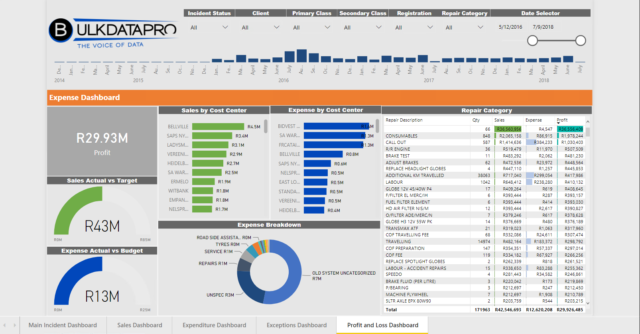
BulkdataPro offers top-tier Custom Fleet Management Software that can cater to management of all kinds of assets including fleet, buildings, office equipment, and more. Their ERP fleet management software can eliminate cost, risk, and support problems.
Contact them if you’d like to learn more about their Fleet Management Tool online.